Dental

How Smoking Cessation Programmes Improve Dental Implant Success Rates

The Critical Connection Between Smoking and Implant Outcomes

The relationship between tobacco use and dental health has long been established, yet the specific impact on implant procedures continues to reveal fascinating insights. Dental professionals across the United Kingdom have observed remarkable improvements in patient outcomes when smoking cessation programmes are integrated into pre-surgical planning. The science behind this connection involves complex biological processes that directly influence how the body responds to titanium posts and the subsequent osseointegration process.

When patients seek dental implants Leicester clinics and other practices nationwide emphasise the importance of tobacco-free periods before and after surgery. This recommendation stems from compelling evidence demonstrating that smoking compromises blood flow to the gums, reduces oxygen levels in the bloodstream, and impairs the body’s natural healing mechanisms. These factors collectively create an environment where implant failure becomes significantly more likely, with research indicating that smokers face failure rates up to three times higher than non-smokers.

Understanding the Biological Impact of Tobacco on Healing

The human body possesses remarkable regenerative capabilities, yet tobacco smoke introduces over 7,000 chemicals that systematically undermine these processes. Nicotine causes vasoconstriction, narrowing blood vessels and limiting the delivery of essential nutrients and immune cells to surgical sites. Carbon monoxide binds to haemoglobin more readily than oxygen, further starving tissues of the oxygen required for proper wound healing and bone formation.

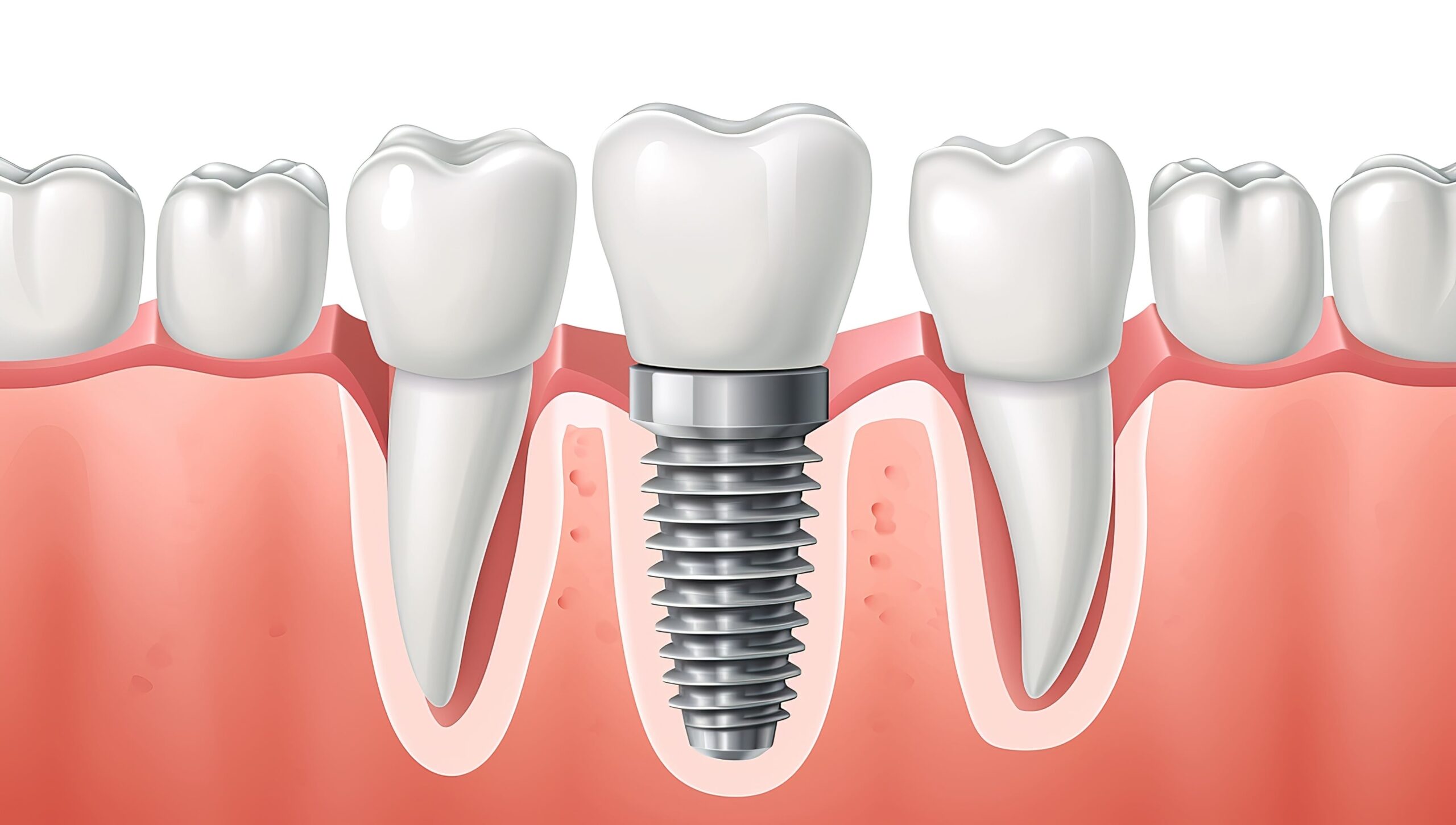
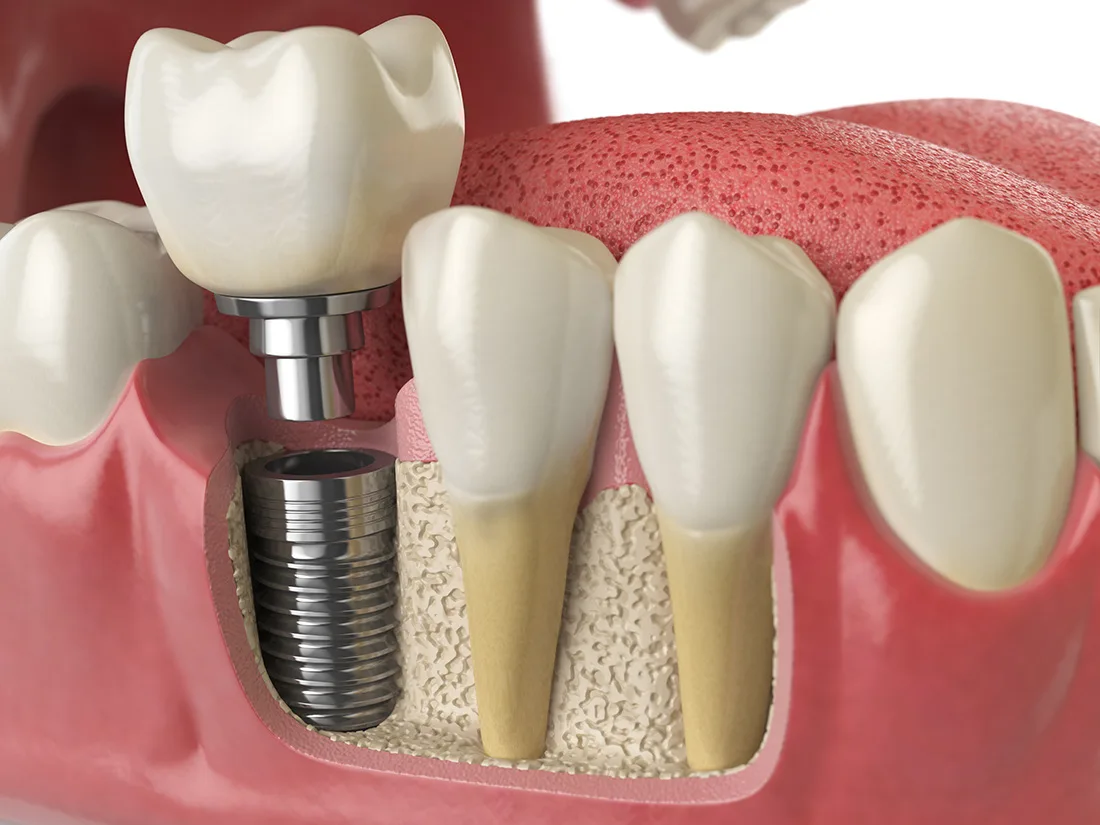
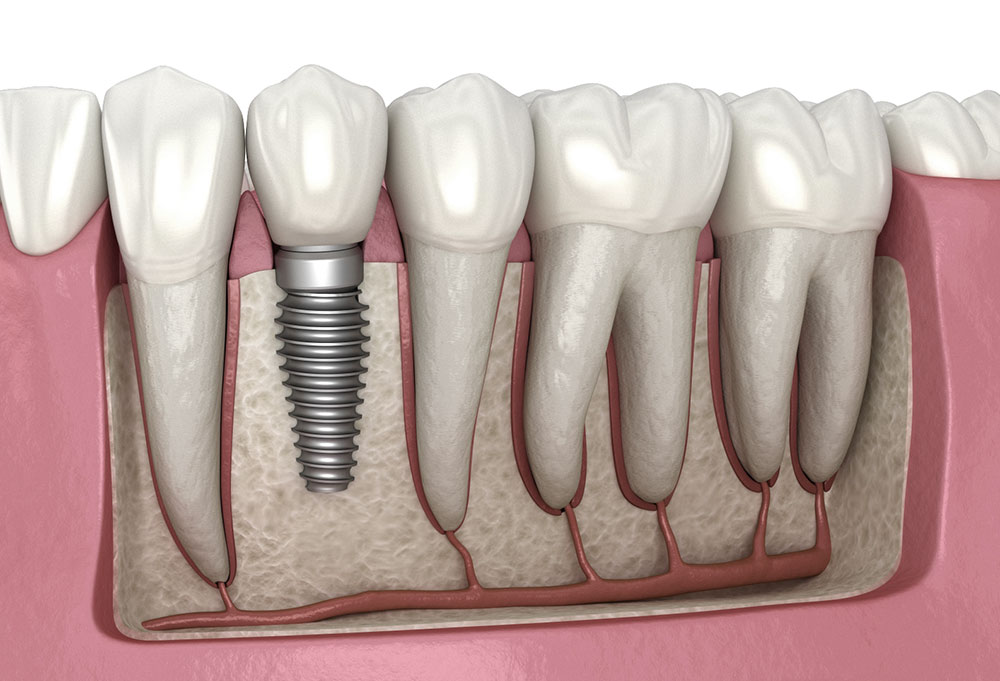
Beyond these immediate effects, smoking affects bone density and quality, which directly impacts the success of osseointegration. This process, whereby the jawbone fuses with the titanium implant, represents the foundation of implant stability. Without robust bone integration, implants remain vulnerable to movement, infection, and eventual failure. The inflammatory response triggered by tobacco compounds also interferes with the delicate balance of bone remodelling, potentially leading to peri-implantitis and progressive bone loss around the implant site.

The Structure and Benefits of Cessation Programmes

Smoking cessation programmes designed specifically for dental implant candidates offer structured support that addresses both the physiological and psychological aspects of tobacco dependency. These initiatives typically commence several weeks before the scheduled procedure, allowing sufficient time for the body to begin its recovery process. Most programmes incorporate nicotine replacement therapy, behavioural counselling, and regular monitoring to ensure patients remain tobacco-free throughout the critical healing period.

The timeline for optimal results generally extends from four weeks pre-operatively through at least eight weeks post-surgery, though many dental professionals advocate for permanent cessation. During this period, the body’s healing capacity progressively improves, with blood circulation normalising and immune function strengthening. Patients who successfully complete these programmes demonstrate markedly superior outcomes, with implant success rates approaching those of lifelong non-smokers when abstinence is maintained throughout the healing phase.

Measurable Outcomes and Long-Term Success

Clinical studies have documented impressive statistics regarding the efficacy of pre-surgical smoking cessation. Patients who abstain from tobacco for a minimum of four weeks before implant placement show significantly reduced complication rates, including decreased instances of infection, improved bone integration, and enhanced soft tissue healing.

The benefits extend beyond the immediate post-operative period, with long-term implant survival rates demonstrating substantial improvement amongst former smokers compared to those who continue tobacco use.

Furthermore, dental implants Leicester practitioners and colleagues throughout the country report that patients who engage with cessation programmes often experience additional health benefits that extend well beyond their oral health. Improved cardiovascular function, enhanced sense of taste and smell, and increased overall wellbeing contribute to higher patient satisfaction and quality of life outcomes.

Maximising Your Implant Investment Through Lifestyle Modification

The decision to undergo implant surgery represents a significant investment in one’s health and wellbeing. By embracing smoking cessation programmes as an integral component of treatment planning, patients substantially increase their likelihood of achieving optimal, lasting results.

Dental professionals continue to refine these supportive interventions, recognising that successful implant outcomes depend not merely on surgical expertise but on creating the ideal biological conditions for healing and integration.

The Art and Science of Creating Harmonious Smiles

The Symphony of Dental Excellence

Creating the perfect smile is far more complex than simply arranging teeth in a neat row. It represents a delicate balance between scientific precision and artistic vision, where the dentist Luton combine their technical expertise with an aesthetic eye to craft smiles that complement each individual’s unique facial features. This intricate process requires understanding not just the mechanics of dentistry, but the subtle nuances of facial harmony and proportion.

Modern dentistry has evolved into a sophisticated discipline where practitioners must consider numerous factors beyond basic oral health. The shape of the face, the curve of the lips, the prominence of the cheekbones, and even the patient’s personality all play crucial roles in determining the ideal smile design. A skilled dentist Luton residents trust understands that no two smiles should be identical, as each person’s facial structure demands a bespoke approach to achieve truly harmonious results.

Understanding Facial Proportions and Smile Design

The foundation of exceptional smile design lies in comprehending the mathematical relationships that govern facial aesthetics. Dental professionals study the golden ratio and other proportional guidelines that have influenced art and architecture for centuries. These principles help determine the optimal width, length, and positioning of teeth to create visual balance and appeal.

The Role of Digital Technology

Contemporary dental practices utilise advanced digital imaging and 3D modelling to visualise potential outcomes before any treatment begins. This technology allows practitioners to experiment with different configurations and show patients realistic previews of their transformed smiles. The precision offered by these tools ensures that the final result aligns perfectly with both the patient’s expectations and the dentist’s professional assessment.

Computer-aided design has revolutionised the field, enabling practitioners to analyse facial symmetry with unprecedented accuracy. These systems can detect subtle asymmetries that might escape the naked eye and suggest corrections that enhance overall facial harmony. The integration of digital workflows has elevated smile design from an art form based purely on intuition to a scientifically-backed discipline with predictable outcomes.

Materials and Techniques in Modern Smile Creation

The selection of materials plays a pivotal role in achieving natural-looking results that stand the test of time. Modern ceramics and composite materials offer unprecedented versatility, allowing dental professionals to match not just the colour of natural teeth, but also their translucency and surface texture. These advanced materials interact with light in ways that closely mimic natural enamel, creating smiles that appear completely authentic.

Layering techniques have become increasingly sophisticated, with practitioners building up restorations in multiple stages to replicate the complex internal structure of natural teeth. This meticulous approach ensures that the final result exhibits the same depth and vitality as healthy, natural dentition. The artistry involved in this process requires years of training and a keen understanding of how light behaves when it encounters different dental materials.

The Psychology of Smile Enhancement

Beyond the technical aspects, successful smile design must consider the psychological impact on both the patient and those they encounter. Research consistently demonstrates that an attractive smile influences perceptions of confidence, competence, and approachability. Achieving natural-looking smile transformations requires understanding these psychological dimensions and incorporating them into the treatment planning process.

The relationship between facial aesthetics and smile design extends far beyond the mouth itself. Practitioners must consider how the new smile will interact with the patient’s existing facial features, ensuring that enhancements appear natural and proportionate. Creating natural and balanced dental results demands this holistic approach to facial harmony.

Collaborative Treatment Planning

The most successful smile transformations involve extensive collaboration between the patient and dental team. This partnership ensures that the final result aligns with the patient’s lifestyle, personality, and aesthetic preferences whilst maintaining optimal oral health. Balancing aesthetics in smile makeovers and facial harmony requires this collaborative approach to achieve truly exceptional outcomes.

The Future of Harmonious Smile Creation

The convergence of art and science in modern dentistry continues to evolve, with emerging technologies promising even more precise and predictable results. As materials science advances and digital techniques become more sophisticated, the ability to create perfectly harmonious smiles will only improve. The dedication to combining technical excellence with artistic vision ensures that patients can achieve smiles that not only look beautiful but also enhance their overall quality of life and self-confidence.

Harnessing Mindfulness for a Stress-Free Dental Implant Experience

Understanding the Mind-Body Connection in Dental Care

The prospect of undergoing dental implant surgery often triggers a cascade of anxiety and apprehension in patients. However, an increasing body of research demonstrates that incorporating mindfulness techniques can transform this challenging experience into a manageable and even empowering journey. The practice of mindfulness, rooted in ancient meditation traditions, offers modern patients practical tools to navigate the complexities of dental procedures with greater ease and composure.

Dental professionals across the country are recognising the profound impact that mental preparation can have on surgical outcomes. When patients approach dental implants in Plymouth or any other location with a calm and focused mindset, they often experience reduced discomfort, improved healing times, and enhanced overall satisfaction with their treatment. This holistic approach acknowledges that successful dental care extends beyond technical expertise to encompass the patient’s emotional and psychological wellbeing.

The Science Behind Mindfulness and Dental Anxiety

Recent scientific investigations have revealed fascinating connections between mindfulness practices and physiological responses to dental procedures. Research into mindfulness-based interventions for dental anxiety indicates that patients who engage in regular meditation and breathing exercises demonstrate measurably lower cortisol levels and reduced heart rate variability during treatment. These biological markers suggest that mindfulness creates genuine physiological changes that support a more comfortable dental experience.

The autonomic nervous system, which governs our fight-or-flight responses, can be effectively regulated through mindful breathing techniques and body awareness exercises. When patients learn to activate their parasympathetic nervous system consciously, they create an internal environment conducive to healing and recovery. This scientific foundation provides compelling evidence for integrating mindfulness practices into pre-surgical preparation routines.

Practical Mindfulness Techniques for Pre-Surgery Preparation

Breathing Exercises for Immediate Calm

The foundation of any mindfulness practice lies in conscious breathing techniques that can be employed immediately before and during dental procedures. The 4-7-8 breathing method proves particularly effective for anxious patients. This technique involves inhaling for four counts, holding the breath for seven counts, and exhaling slowly for eight counts. Regular practice of this method trains the nervous system to respond more calmly to stressful situations, creating a reliable tool for managing pre-surgery anxiety.

Body Scanning and Progressive Relaxation

Body scanning techniques offer patients a systematic approach to releasing physical tension that accumulates in anticipation of dental procedures. This practice involves mentally travelling through each part of the body, from the crown of the head to the tips of the toes, consciously relaxing muscle groups along the way. Patients who regularly engage in progressive muscle relaxation report feeling more grounded and less reactive to the sounds and sensations associated with dental implant procedures.

The jaw and facial muscles, which naturally tense during periods of stress, benefit particularly from focused attention and deliberate relaxation. By developing awareness of these areas, patients can actively counteract the physical manifestations of anxiety before they escalate into overwhelming discomfort.

Creating a Supportive Mindful Environment

Modern dental practices are increasingly incorporating mindfulness principles into their treatment environments. The integration of mindfulness practices within dental settings demonstrates how healthcare providers can support patients’ mental preparation through environmental design and communication strategies. Calming music, aromatherapy, and guided meditation resources create an atmosphere that naturally promotes relaxation and mental clarity.

Practitioners who embrace mindful communication techniques often discover that their patients respond more positively to treatment explanations and post-operative instructions. When dental professionals speak slowly, use reassuring language, and allow patients time to process information, they contribute significantly to the overall sense of calm and control that patients experience throughout their dental implant journey.

Long-term Benefits and Recovery Enhancement

The advantages of mindfulness extend well beyond the immediate surgical experience. Evidence-based strategies for reducing patient anxiety suggest that individuals who maintain regular mindfulness practices throughout their recovery period experience improved healing outcomes and greater satisfaction with their dental implants in Plymouth and other locations. The enhanced body awareness that develops through mindful practice enables patients to recognise early signs of complications and respond appropriately to their healing process.

Furthermore, the stress-reduction benefits of mindfulness support optimal immune function, which plays a crucial role in successful implant integration and tissue healing.

Embracing a Mindful Approach to Dental Health

The integration of mindfulness practices into dental implant experiences represents a significant advancement in patient-centred care. By acknowledging the profound connection between mental state and physical healing, patients can transform potentially stressful procedures into opportunities for personal growth and empowerment. The journey towards dental wellness becomes not merely a technical intervention, but a holistic experience that nurtures both physical restoration and emotional resilience.

A Journey Into the World of Mini Dental Implants

Understanding Modern Dental Solutions

In recent years, dental technology has made remarkable strides in providing innovative solutions for tooth replacement. Mini dental implants have emerged as a groundbreaking alternative to traditional dental implants, offering patients more options for restoring their smiles. For those seeking dental implants in Canary Wharf, understanding these advanced treatment options can help make informed decisions about dental care.

What Sets Mini Dental Implants Apart

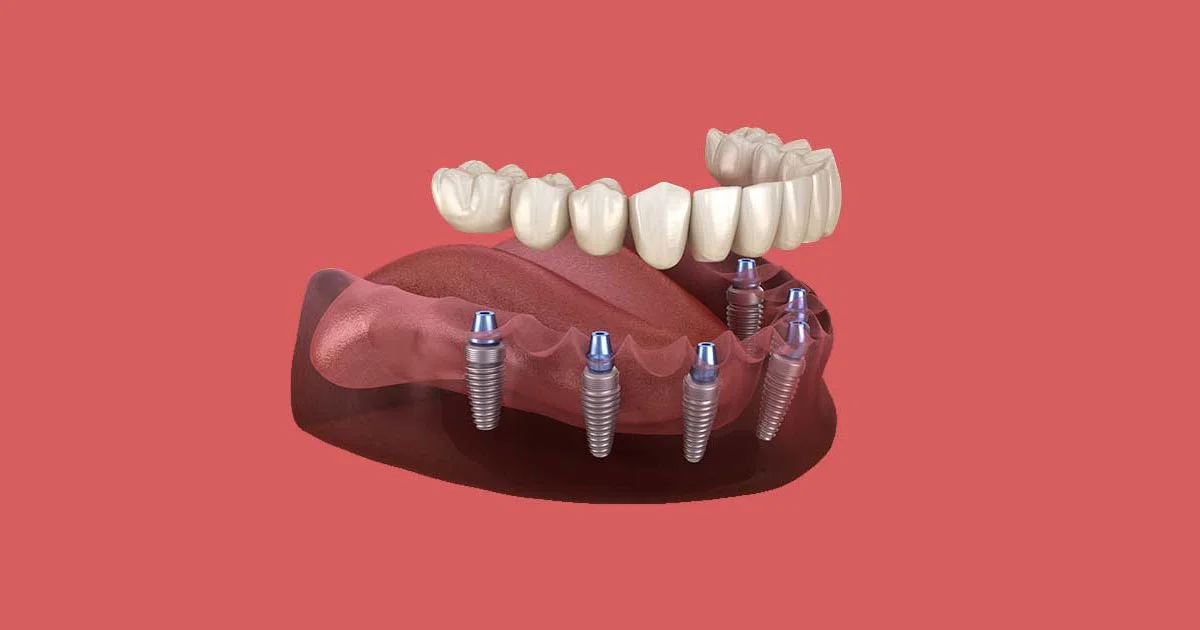
Mini dental implants, as extensively documented in dental research, are titanium screws that act as artificial tooth roots but are smaller in diameter than traditional implants. These innovative devices typically measure less than three millimetres in width, making them an excellent option for patients who may not be suitable candidates for conventional implants.

Key Benefits of Mini Dental Implants

  • Less invasive procedure
  • Shorter healing time
  • Lower cost compared to traditional implants
  • Suitable for patients with bone loss
  • Often completed in a single visit

The Science Behind the Innovation

The development of mini dental implants represents a significant advancement in dental medicine. Research on osseointegration in dental implants has shown that these smaller alternatives can effectively fuse with the jawbone, providing stable support for replacement teeth. This scientific breakthrough has made it possible for more patients to benefit from implant technology, particularly those who might have been previously told they were not candidates for traditional dental implants.

The Treatment Process

The mini dental implant procedure is remarkably straightforward. Unlike conventional implants, which often require months of healing between stages, mini implants can typically be placed and loaded with replacement teeth in a single appointment. This efficiency has made them increasingly popular among patients seeking dental implants. The process begins with a thorough examination and planning phase, where dental professionals assess the patient’s oral health and determine the optimal placement for the implants. The procedure itself is minimally invasive, often requiring only local anaesthesia and resulting in minimal discomfort.

Ideal Candidates for Mini Dental Implants

Not everyone is an ideal candidate for traditional dental implants, which is precisely why mini dental implants have become such a valuable alternative. Mini dental implants are particularly beneficial for patients with insufficient bone density or those who wish to avoid extensive bone grafting procedures. They are also excellent options for individuals with smaller teeth or narrow spaces between teeth.

Maintenance and Long-term Care

Maintaining mini dental implants is remarkably similar to caring for natural teeth. Regular brushing, flossing, and professional dental check-ups are essential for ensuring their longevity. Patients should be mindful of certain habits that could affect the implants’ stability, such as:

  • Grinding or clenching teeth
  • Chewing extremely hard foods
  • Using tobacco products
  • Neglecting oral hygiene

Cost Considerations and Value

When considering mini dental implants, it’s important to understand their cost-effectiveness. While the initial investment might seem significant, these implants often prove more economical than traditional implants. The reduced number of appointments, shorter treatment time, and minimal need for additional procedures contribute to their overall value.

Future Developments and Innovations

The field of dental implantology continues to evolve, with mini dental implants at the forefront of innovation. Ongoing research focuses on improving materials, techniques, and long-term outcomes. These developments promise to make the treatment even more accessible and effective for a broader range of patients.

Making an Informed Choice

The journey to choosing the right dental implant solution requires careful consideration of various factors, including oral health status, lifestyle, and budget. While mini dental implants offer numerous advantages, they may not be suitable for every situation. Consulting with experienced dental professionals who offer dental implants can help determine the most appropriate treatment path. By understanding the benefits, procedures, and maintenance requirements of mini dental implants, patients can make well-informed decisions about their dental health. As dental technology continues to advance, these innovative solutions provide hope and practical options for those seeking to restore their smiles with minimal intervention and maximum effectiveness.