Month: May 2026

How Smoking Cessation Programmes Improve Dental Implant Success Rates

The Critical Connection Between Smoking and Implant Outcomes

The relationship between tobacco use and dental health has long been established, yet the specific impact on implant procedures continues to reveal fascinating insights. Dental professionals across the United Kingdom have observed remarkable improvements in patient outcomes when smoking cessation programmes are integrated into pre-surgical planning. The science behind this connection involves complex biological processes that directly influence how the body responds to titanium posts and the subsequent osseointegration process.

When patients seek dental implants Leicester clinics and other practices nationwide emphasise the importance of tobacco-free periods before and after surgery. This recommendation stems from compelling evidence demonstrating that smoking compromises blood flow to the gums, reduces oxygen levels in the bloodstream, and impairs the body’s natural healing mechanisms. These factors collectively create an environment where implant failure becomes significantly more likely, with research indicating that smokers face failure rates up to three times higher than non-smokers.

Understanding the Biological Impact of Tobacco on Healing

The human body possesses remarkable regenerative capabilities, yet tobacco smoke introduces over 7,000 chemicals that systematically undermine these processes. Nicotine causes vasoconstriction, narrowing blood vessels and limiting the delivery of essential nutrients and immune cells to surgical sites. Carbon monoxide binds to haemoglobin more readily than oxygen, further starving tissues of the oxygen required for proper wound healing and bone formation.

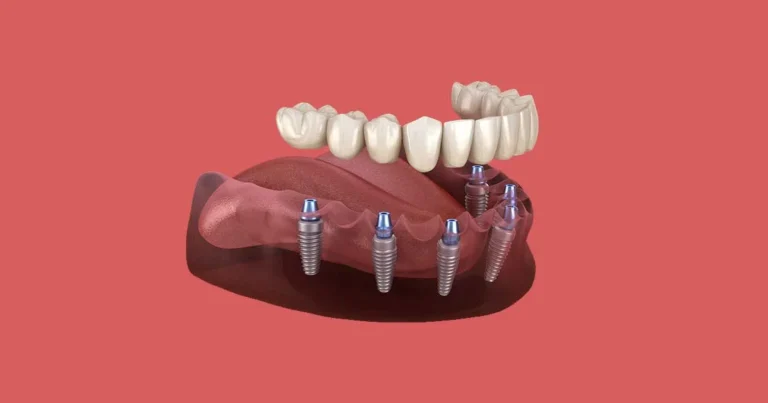
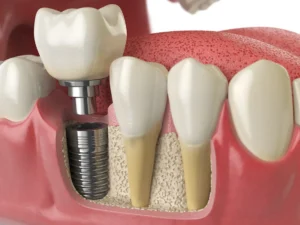
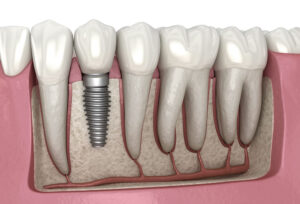
Beyond these immediate effects, smoking affects bone density and quality, which directly impacts the success of osseointegration. This process, whereby the jawbone fuses with the titanium implant, represents the foundation of implant stability. Without robust bone integration, implants remain vulnerable to movement, infection, and eventual failure. The inflammatory response triggered by tobacco compounds also interferes with the delicate balance of bone remodelling, potentially leading to peri-implantitis and progressive bone loss around the implant site.

The Structure and Benefits of Cessation Programmes

Smoking cessation programmes designed specifically for dental implant candidates offer structured support that addresses both the physiological and psychological aspects of tobacco dependency. These initiatives typically commence several weeks before the scheduled procedure, allowing sufficient time for the body to begin its recovery process. Most programmes incorporate nicotine replacement therapy, behavioural counselling, and regular monitoring to ensure patients remain tobacco-free throughout the critical healing period.

The timeline for optimal results generally extends from four weeks pre-operatively through at least eight weeks post-surgery, though many dental professionals advocate for permanent cessation. During this period, the body’s healing capacity progressively improves, with blood circulation normalising and immune function strengthening. Patients who successfully complete these programmes demonstrate markedly superior outcomes, with implant success rates approaching those of lifelong non-smokers when abstinence is maintained throughout the healing phase.

Measurable Outcomes and Long-Term Success

Clinical studies have documented impressive statistics regarding the efficacy of pre-surgical smoking cessation. Patients who abstain from tobacco for a minimum of four weeks before implant placement show significantly reduced complication rates, including decreased instances of infection, improved bone integration, and enhanced soft tissue healing.

The benefits extend beyond the immediate post-operative period, with long-term implant survival rates demonstrating substantial improvement amongst former smokers compared to those who continue tobacco use.

Furthermore, dental implants Leicester practitioners and colleagues throughout the country report that patients who engage with cessation programmes often experience additional health benefits that extend well beyond their oral health. Improved cardiovascular function, enhanced sense of taste and smell, and increased overall wellbeing contribute to higher patient satisfaction and quality of life outcomes.

Maximising Your Implant Investment Through Lifestyle Modification

The decision to undergo implant surgery represents a significant investment in one’s health and wellbeing. By embracing smoking cessation programmes as an integral component of treatment planning, patients substantially increase their likelihood of achieving optimal, lasting results.

Dental professionals continue to refine these supportive interventions, recognising that successful implant outcomes depend not merely on surgical expertise but on creating the ideal biological conditions for healing and integration.